
Most link building services promise the same thing: hand us money, we hand you links, do not ask questions.
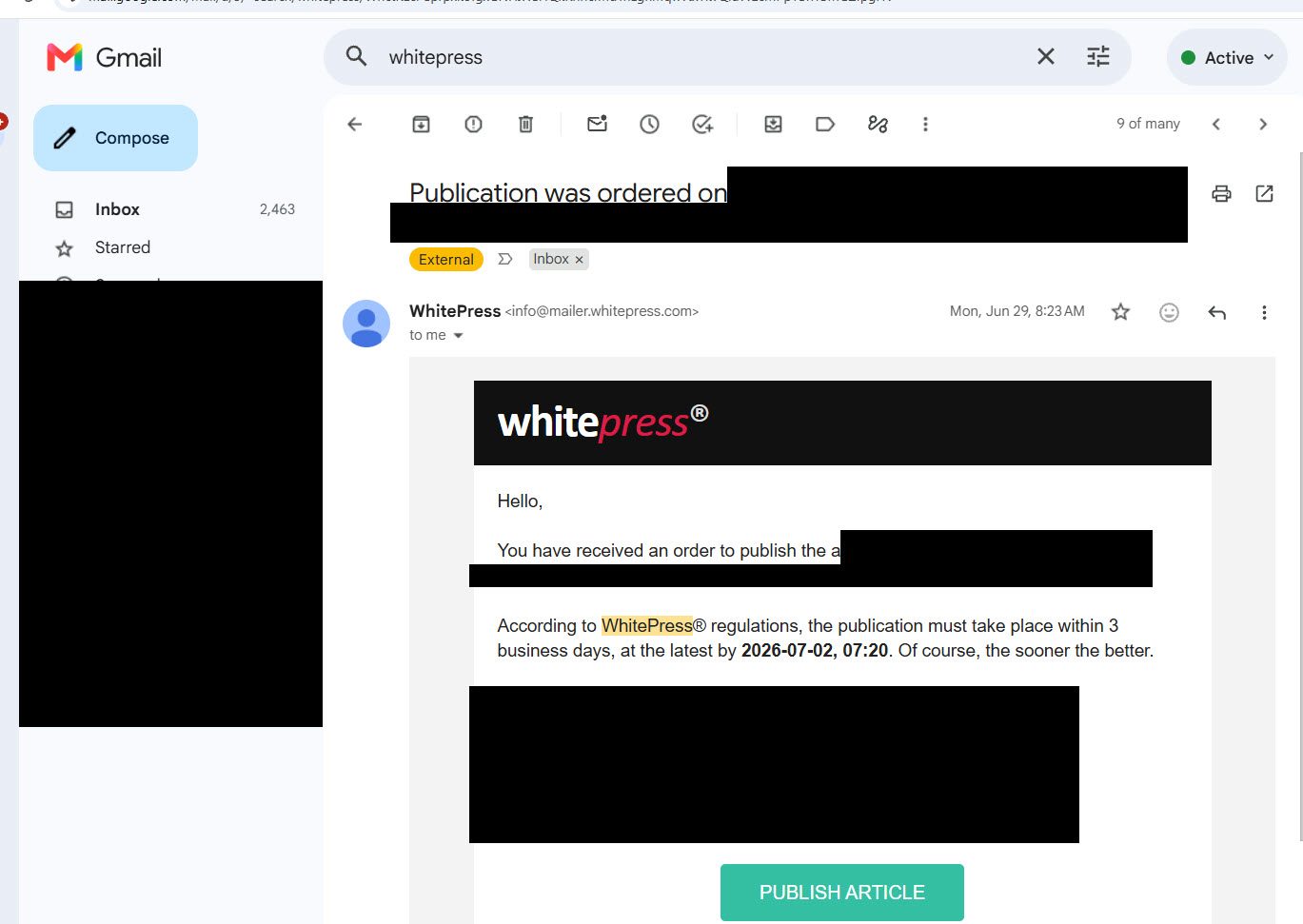
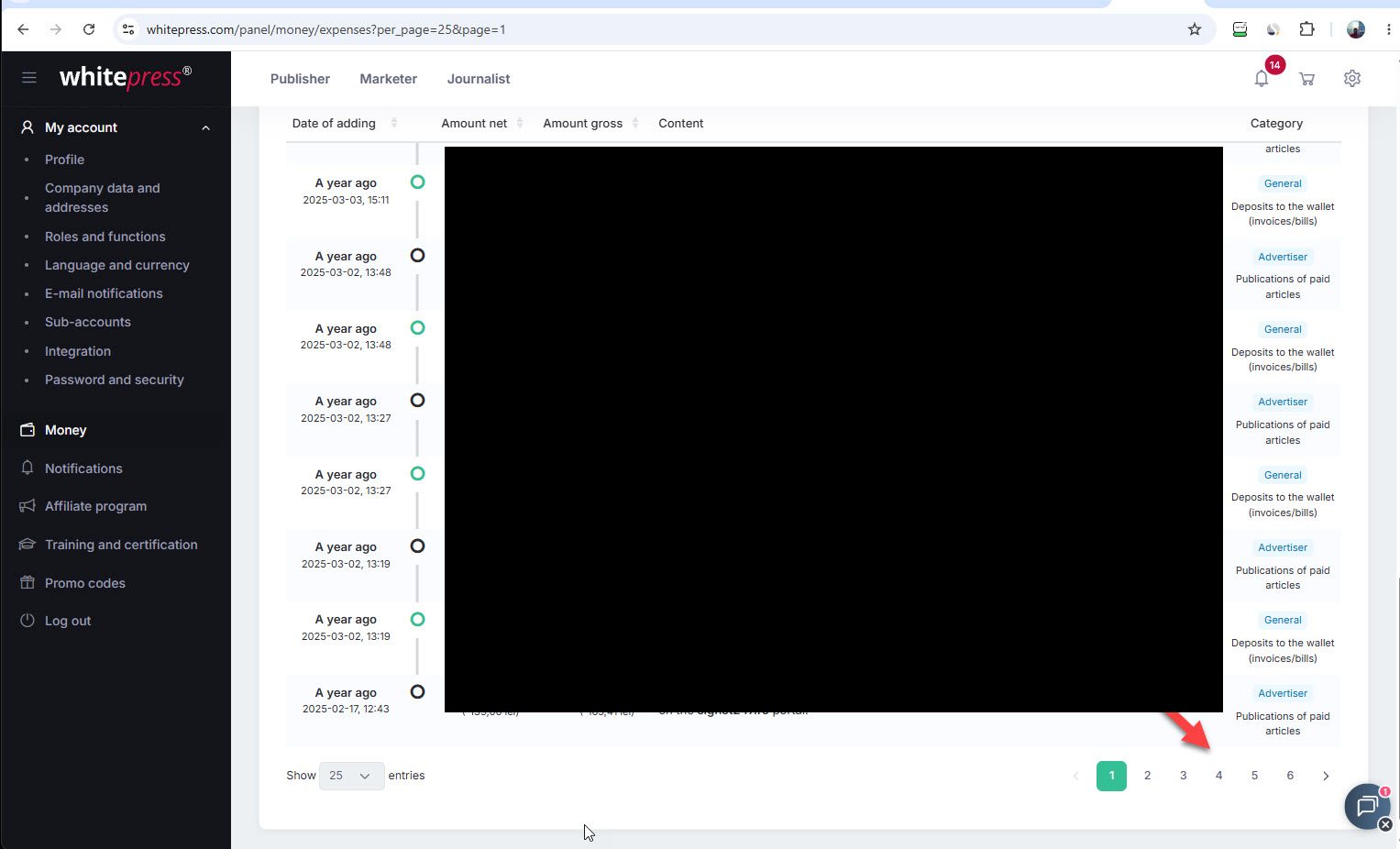
WhitePress is different, and I say that from long first-hand use. We have been on the platform for years, on both sides of it: buying placements for our own projects and clients, and selling article slots as a publisher.
It is a DIY platform, which means you are the one choosing the placements instead of trusting a stranger to do it for you. That single design choice changes everything about who this platform is right for.
Strip the branding away and what the platform really sells is simple:
Authority and trust in front of Google, bought one article at a time.
It connects you to thousands of site owners willing to publish an article of yours with a link back to your site, and every one of those links is an endorsement signal. Two honest notes belong next to that.
First, Google treats links bought to manipulate rankings as link spam in its spam policies, so this whole category operates in a grey zone. The practical difference between placements that build a site and placements that burn money is whether the host is a real publication with real readers.
Second, links are one of the strongest signals in ranking, but they multiply a foundation, they do not replace one.
Both points push the same way: the evaluation work I describe below is the actual product you bring to this platform.
What exactly is WhitePress?
WhitePress is an SEO and content marketing platform built around an automated system that lets you publish articles on thousands of portals worldwide.
On top of the distribution network, they run native copywriting services, so you can either bring your own content or have their writers produce it for you. The pitch is simple: reach, choice, and content under one roof.
What makes it stand out is the self-guided model. On most services I have used, someone on the provider side curates the links on your behalf.
In my experience that curation often lands with people who have a fairly basic grasp of how link building actually works, and you end up paying premium prices for placements that do not move the needle.
WhitePress hands the steering wheel to you instead. If you know what a good link looks like, that is a genuine advantage.
How do I separate a good site from a bad one?
The platform filters get you a shortlist. The decision still needs a human, and after years of buying I run every candidate through the same checklist:
- History: how long the site has existed and what it has published along the way. A domain that switched topics overnight is usually an expired domain rebuilt to sell links.
- Ownership changes: a domain that changed hands recently deserves suspicion, because buying aged domains to resell their authority is an industry of its own.
- How many links they are selling: a site publishing sponsored articles every other day is a link farm with a nice theme. The more they sell, the less each link is worth.
- Content quality: read three ordinary articles. If no human would read them voluntarily, Google tends to reach the same conclusion eventually.
- A real business behind it: genuine publications have named people on the about page, a working contact address and a reason to exist beyond selling placements.
- Social media: real audiences leave traces. Dead profiles or bought followers are a warning sign about everything else the site claims.
- Traffic, and its direction: how much they get matters less than the trend. A chart sliding downhill often means Google has already devalued the site, and your link goes down with it.
No single check is decisive; the pattern is what matters.
Once the routine settles in, ten minutes per site is enough, and it is ten minutes that regularly saves hundreds.
How much does WhitePress cost?
Here is the part most write-ups get wrong, so let me be precise.
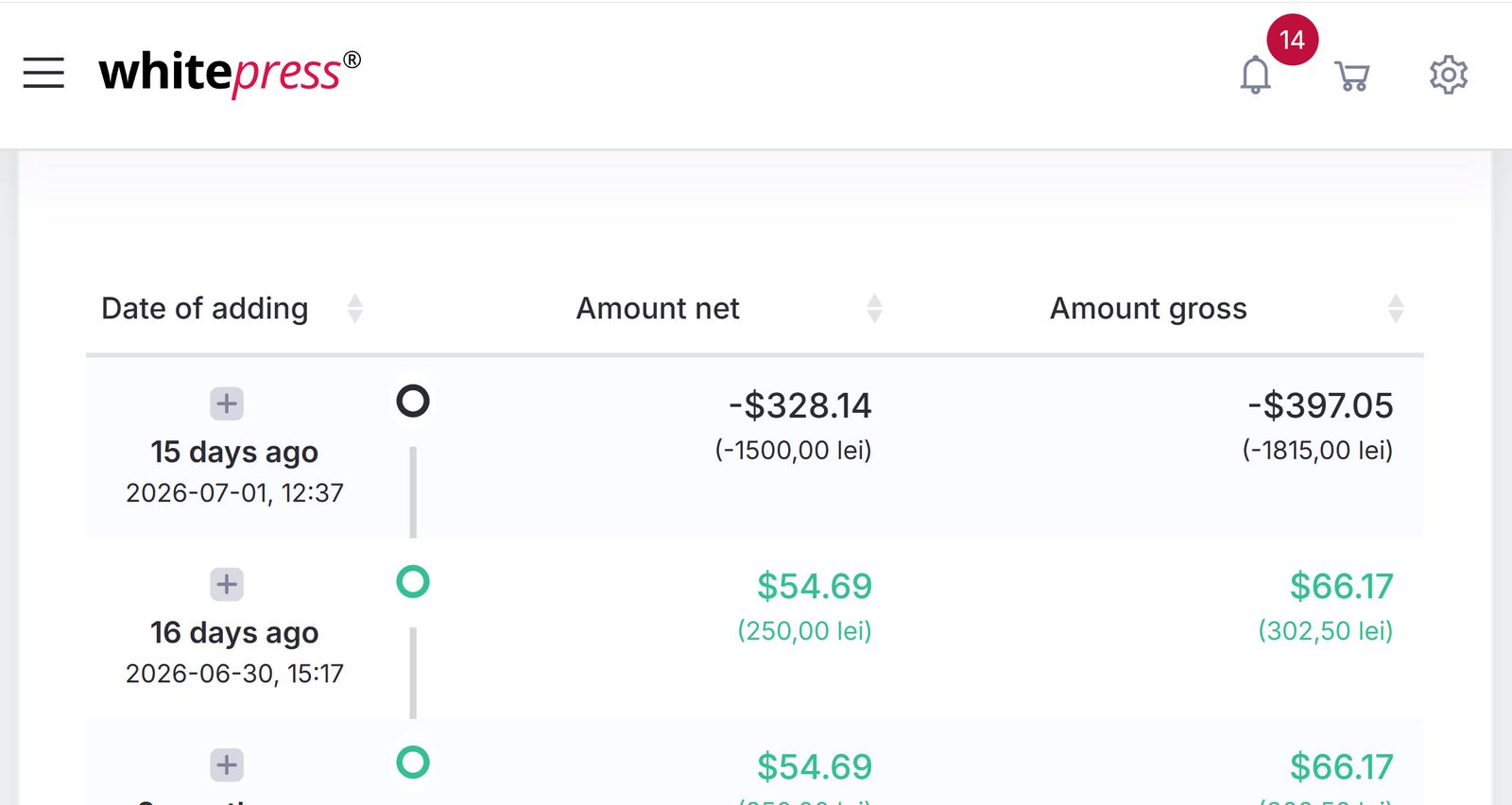
WhitePress does not publish a public rate card on its website, but once you are inside the marketplace, pricing is not hidden at all: every publisher lists a price next to their site.
The range is enormous. Small niche sites list placements for around 100, while household-name national newspapers can run past 20,000.
Price tracks the site's perceived authority and reach, not the value of the link to you specifically, which is exactly why the evaluation checklist above matters more than the size of your budget.
If transparent, fixed pricing matters more to you than flexibility, that is worth weighing. I have covered providers that handle this differently in my UK Linkology review and my Submit Core review, and comparing how each one presents cost tells you a lot about how they operate.
What services does WhitePress actually offer?
The platform is broader than a straight link vendor. Here is what sits inside it:
- Content distribution: publication across over 84,000 websites, reaching 30 key languages and countries, with a built-in selection tool to help you pick the right site.
- Copywriting: 1,320 experienced copywriters producing unique articles on any topic, from entry-level pieces to specialised writing.
- Reporting and analytics: guaranteed article presence monitoring for 12 or more months, free statistics with a tracking code, and data on article popularity, engagement, credibility, and traffic source.
- Content promotion: placements on prestigious, high-traffic sites, home page promotion, and posts on the publisher's social media.
- SEO: website audit, on-site optimisation, link building strategy and implementation, and website positioning.
That range is wider than most of the pure link marketplaces I write about. If you want to compare the landscape properly, I walk through the whole category in my guide to link building services, which puts platforms like this one next to the agencies and tools that do things differently.
How does the platform actually work?
The engine behind WhitePress is its search tool, and it is the part I would spend the most time on. It filters potential sites using more than 40 parameters, including domain authority, audience demographics, language, and more.
That level of filtering is where a knowledgeable user pulls ahead: you can screen out weak sites before you spend a cent, rather than discovering the problem after the link is live.
The same search engine feeds the link building side. It surfaces high-authority sites in your niche that could realistically send a valuable backlink your way, and those links act as endorsements in the eyes of search engines.
The reporting layer then tracks whether your article stays live for the promised 12 or more months, with statistics delivered through a tracking code so you can watch popularity and engagement over time.
This is the same tension I flag when I review curated services like FATJOE. Curated platforms take the decisions off your plate, which is comfortable but only as good as the person curating. WhitePress goes the other way and trusts you to make the calls. Neither is wrong, they just suit different people.
Who should actually use WhitePress?
This is where I want to be blunt, because the DIY model is a double-edged sword.
If you understand link quality, know how to read a site's real authority, and have the time to work the search filters properly, WhitePress can hand you better links than a curated service would, and you stay in control of every decision. That is the whole appeal.
If you are new to this and you are hoping to hand over a budget and walk away, the same freedom becomes a liability. Nobody is stopping you from buying weak placements.
The platform gives you the tools, but it assumes you know how to use them. Match the tool to your own skill level honestly, and you will get far more out of it.
What is my verdict on WhitePress?
WhitePress is a serious platform with real reach: over 84,000 sites, 30 languages, a deep copywriting bench, and a search tool that rewards anyone willing to learn it.
It is not the easy button some beginners want, and with no public rate card you cannot compare it at a glance from outside. Day to day it behaves the way you would expect a mature platform to behave; my one recurring annoyance after all these years is the login captcha, which turns every session start into a small puzzle.
But for a hands-on operator who values control, it is one of the more compelling options in the category.
One note on the wider market: new marketplaces keep appearing with aggressive welcome deals to pull people on board, and some are worth signing up to for those deals alone. Just remember the platform is only the shop window. Every site you buy from still has to pass the same checklist, wherever it is listed. If you want a second pair of eyes on whether it fits your situation, that is exactly what I help with over on the services side.
Frequently asked questions
Is WhitePress a good option for beginners?
Not really. WhitePress is a DIY platform, so you choose your own placements instead of having them curated for you. That is powerful if you understand link quality, but risky if you do not. Beginners can easily buy weak links, so I would build some knowledge first or get guidance before diving in.
How many websites are in the WhitePress network?
WhitePress offers content distribution across more than 84,000 websites, reaching 30 key languages and countries. You filter that network using a built-in search tool with over 40 parameters, including domain authority, audience demographics, and language, so you can target the right sites for your niche.
How much does WhitePress cost?
There is no public rate card, but inside the marketplace every publisher lists a price next to their site. Expect around 100 for small niche sites and 20,000 or more for major national newspapers. Because you pick each placement individually, the final cost depends entirely on which sites you choose.
Can you sell placements on WhitePress as a publisher?
Yes. Publishers apply to list their sites and set their own prices for sponsored articles. We have used the platform on both sides for years, and the publisher side is a workable revenue stream if your site has genuine traffic and authority. It also teaches you quickly how buyers evaluate sites, which makes you better at buying too.
Does WhitePress guarantee that articles stay published?
Yes. WhitePress provides guaranteed article presence monitoring for 12 or more months, along with free statistics delivered through a tracking code. That reporting includes data on article popularity, engagement, credibility, and traffic source, so you can track how each placement performs over time.

Founder & CEO of RB Creative Digital. Nearly two decades in SEO and digital marketing for mortgage, aviation and AI-first companies, with clients in the UK, US and Romania. His work has been featured on Forbes, Entrepreneur and HuffPost.
LinkedIn · All articles by Radu
Edited and designed by Marius Stefan · Reviewed by Cristina Gabriela
Want to know if WhitePress fits your strategy?
Grab a free AI visibility check and I will tell you honestly whether a DIY platform like WhitePress is the right move for your site, or a waste of budget: get in touch here.
Get your AI visibility check